Tuesday, August 25, 2015

Infectious Diseases in Cats, Importance of Vaccination


What do you do when a kitten on the brink of death is brought to your door by a neighbor child who found him alongside the road in the gutter and whose parents instructed her to get rid of it?
Feeling terrible not only for the poor cat but for the distraught little girl who didn't know what to do, we said he could stay .

Let's go back years ago to 1997 and so we began a real education on the importance of vaccination as well as the limitations.

Oliver came to us in pretty poor shape. He was an emaciated weight of barely four pounds, thinning fur, pasty eyes, drippy, sneezing, sore nose, and infection in both ears. Where do we begin?

Not wanting to introduce anything contagious to our other cats we separated Oliver from the household until we could get him to a vet. Not even sure if he would make it till morning, we kept him comfortable in our barn for that first night. It was summertime so nighttime temperatures weren't a problem.

I was actually surprised to find him still alive in the morning. Unknowingly, that veterinarian visit was the start of an eight year fight to keep little Oliver going. His age was estimated from six months to a year. Oliver was kept a few days for observation, given fluids and IV medication, and then we were sent home on antibiotics and told to make him comfortable and see what happens. 

Being our other cats were vaccinated I brought Oliver into the house, assuming they would be fine. Turns out that may have been a mistake. Though my cats were vaccinated against the F3 which are the core vaccinations as well as Feline Leukemia, some of them developed symptoms of upper respiratory distress. The vet said there is no way to predict how cat immune systems will respond to vaccination. The symptoms disappeared for some, others had no problems at all, and a few developed chronic respiratory problems for the remainder of their lives. All the vet could say was that is the risk in a multi-cat household. 

Even so, to criticize vaccination in general would have been an attitude of ignorance. As a child growing up on a farm where cats were considered our pets, but proper vet care for vaccination schedules and neutering just wasn't financially feasible, we witnessed time and again the heartache of losing them to distemper or respiratory illness. The strong survived but once the population reached a certain point the cycle started all over again.

The antibiotics used with Oliver varied as we were always trying something new. Viruses in a cat's respiratory tract are incredibly difficult to treat. Secondary bacterial infections develop which results in the yellow discharge from the nose and ear infections. Antibiotics cleared up those symptoms and brought relief for a while but the cycle always returned. The types used for Oliver included Amoxacillian, Clavamox, Baytril, Orbax, Chloramphenical, the anti-inflammatory Dexamethasone and the steroid Prednisone when necessary. We thought we finally found a balance with a combination of Baytril and Prednisone but then something burst in his right ear and so began a life of constantly treating the black discharge from that ear. Ultimately he lost his hearing in that right ear.

We used saline washes to help clear his nose, almond or olive oil infused in garlic to clean his ears and his sore little nose, administered vitamin C and cod liver oil daily. added a supplement blend to his diet which was nutritional yeast, kelp, lecithin granules, wheat germ, oat bran and bone meal. 

We suspect the main issue with Oliver was the Feline herpes virus. We could never really get it out of his system and his entire life was plagued with its relapses. 

Our tough little boy had cycles of wasting away but always bounced back. Aside from the medical treatments and extra nutritional boosts, to this day I believe what kept him going was the love all around him. He was fussed over continuously by my children and when at his worst always could be found sleeping with one of them. Adored by our dogs, they helped keep his face clean with their gentle licking. Never underestimate the power of love and touch. During his good days Oliver played as rough as the best of them. 

Excuse the quality of these photos. They were taken long before digital camera and I could only do so much with editing. But they are precious memories and I attribute those times with helping to develop my children into the empathetic and loving young adults they are today. Both continue to love animals dearly and involve themselves in animal rescue.

Don't ever underestimate the power of love. The will to live and the boost to the immune system can sometimes be almost miraculous.


Vaccinations have greatly reduced the incidence of a number of infectious diseases in our pets. They work by introducing either a modified live vaccine which contains viruses that have been altered so that they are no longer able to cause disease or a killed vaccine of the disease causing organism (virus or bacteria) to the body. This stimulates the immune system, making it better able to defend itself against the disease if the animal gets exposed.

The following information was taken from Cat World.

Core vaccinations are vaccinations that should be given to cats no matter where they live.
 They are called F3 vaccines.

Feline panleukopenia which is feline enteritis or feline distemper
Feline herpes virus which is the cat flu
Feline calicivirus which is also the cat flu

Non-core vaccinations are vaccinations which may not be necessary for all cats. It depends on location and the level of risk such as if the cat is strictly an indoor cat, allowed to occasionally go outside or is an outdoor cat all the time.

Feline leukaemia virus
Chlamydophila psitaci
Bordetella bronchiseptica
Feline immunodeficiency virus which is FIV or Cat Aids
Rabies

While there are chance of side effects with vaccines, the prevention offered from disease far outweighs the risks. There are rare cases of allergic or anaphylactic reactions but usually the pet just gets sleepy or has a day of some sniffling or sneezing. Pregnant cats should never be vaccinated due to risking harm to the kittens.

Vaccination schedules are generally:
F3 (first shot) be given at 8 weeks
F3 (second shot) be given at 12 weeks
F3 (third shot) be given at 16 weeks
F3 (booster shot) be given at 1 year
Rabies be given at 12 weeks
Rabies (booster shot) be given at 1 year

Veterinarians differ in their opinions as to how often a pet needs to be vaccinated after those initial vaccines are given. Indoor cats still need to be vaccinated but if they are a low risk to exposure they may not need to be re-vaccinated on a yearly basis. Every three years may be sufficient. If your cat lives outdoors and is always at risk of exposure to other cats that may not be vaccinated then yearly shots may be recommended.


Friday, August 21, 2015

Fleas are Voracious...Be Vigilant and you can be Victorious

Fleas are Voracious...Be Vigilant and you can be Victorious


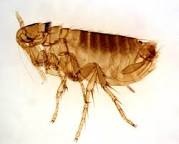
Fleas are tenacious critters and their ability to persevere regardless of all of our ways to get rid of them is amazing. We cannot solely blame our pets for the presence of fleas in our homes. Being attracted to warm blooded animals they will make your pet their temporary home for a food source, but there is also a very real possibility they are hitching a ride into your home by way of your shoes or clothing.

The key to flea control is quick action. If you see signs and ignore them, even for a few days, the situation could become a nightmare. Telltale signs of the presence of fleas go beyond actually seeing the buggers. Observe your pet. If he starts with the twitching and sudden jerks to lick, especially areas like the belly, groin area, under the neck and behind the tail along the backbone, it is time to pay attention. 
If you see black specks laying on the areas where your pet spends its time sleeping, that is a good sign that your pet has fleas even if they don't appear to be bothering him. Those specks are "flea dirt" which is actually dried pre-digested blood. 
If you see little, rice shaped worms on your pets back end or on their bedding, that means they have tapeworms (Dipylidium caninum). Fleas are notorious for transmitting  tapeworms to your pets. When your pet itches, they lick and when they lick they ingest the flea, and once the flea is ingested the tapeworm can complete it's life cycle. Adult tapeworms can be several inches in length living in your pet's intestinal tract. What you see are the sections that break off.

It is important to understand the life cycle of the flea. There are four stages: egg, larva, pupa, and adult. The typical life cycle will take anywhere from a couple weeks to months. It depends on the temperature in their environment and humidity levels. Fleas like conditions between 70 to 85 degrees Fahrenheit and 70% humidity.

So let's start with the females that hitch a ride into your home. Those adult females lay eggs following a blood meal from the host animal. Without blood the flea is unable to reproduce and being that is their goal in life they can very quickly make your pet miserable. The eggs are slightly smaller than a grain of sand and white in color. They are laid in the fur in bunches of about 20. One adult female flea can lay about 40 eggs every day. As your pet moves around those eggs fall off which is how the problem can suddenly appear all over the house. Eggs represent 50% of the entire flea population in a home.

With optimal conditions the eggs can hatch in only two days. If the temperatures are cold and dry it'll take a bit longer, perhaps up to two weeks. If the temperatures are warm with high humidity, the eggs will hatch in a few days.

The larvae that emerge from those eggs need to avoid light, so will nestle in carpets, dark corners, clothing lying around and upholstery. What they live on is the flea dirt that is found amidst other organic debris in their environment. The larvae make up about 35% of the population. This is why it is ultra important to wash all bedding your pet uses and to have a good vacuum cleaner. Strongly recommended is a vacuum with a microfiber bag or the type of vacuum using water such as a Rainbow. With a bagless vacuum there is good chance that when you empty the canister into your trash, you will just release those fleas and eggs back into your home. Microfiber bags are made to trap allergens, dust and fleas debris with no escaping. Water canisters need to be emptied each time but the fleas are dead from drowning.
If left to their own devices, those larvae will spin cocoons in 5 to 20 days from the time of hatching from their eggs.

The cocoon or pupae stage is the last developmental stage before the adult emerges that we usually see. The purpose of the cocoon stage is to protect the pupae for as long as it takes for conditions to be ideal for the adults to emerge. This can take from just a few days to years. The cocoons have a sticky coating that allows them to attach to carpet fibers so having a powerful vacuum cleaner is paramount.

What triggers the adult flea to emerge once developed is a rise in nearby body heat, higher levels of carbon dioxide and vibrations. All these are associated with the nearby presence of a warm-blooded body nearby, be that a pet or a person. Once fleas emerge they need to eat within a few hours. After feeding they'll begin to breed, lay eggs and the cycle starts all over again. Adult fleas account for only about 5% of the entire population in the house, but while on your pet they'll continue to feed, breed and lay eggs.

Before dousing your home with toxic flea bombs and chemicals there are other safer weapons of destruction against them: Borax, Diatomaceous Earth and Vinegar and the all important Vacuum Cleaner!


Use borax, Not boric acid!
What you want is Disodium Tetraborate or Sodium Tetraborate which is Borax. Borax is mined from the earth as a complex form of boron bound with other minerals. Boric acid does not occur naturally in nature, but is made from borax by adding hydrochloric acid and water. This increases the toxicity level so it is not a good thing to have around your pets or children.

Borax looks like salt, has no smell and doesn't get absorbed by the skin when touched. It kills fleas by dehydrating them as it makes small cuts in their exoskeleton. This works on the larvae but won't help you get rid of the eggs. Vacuum, vacuum, vacuum to get rid of the eggs.

Borax is also good for killing ants, bed bugs and roaches.
Borax is safe to have in your home and is much less toxic than insecticides.
If you are pregnant, avoid using any Borate substance which includes borax.
You don't want small children crawling around on the floor if there is borax still in the carpet.
Keep your cats away from the borax powder. Breathing in the fumes could cause health problems.
Don't put borax directly onto your pets. You don't want prolonged skin contact.
Keep borax away from your plants.

How to use:
Sprinkle borax liberally all around your carpeted areas.
Use a stiff brush or broom to work the borax down into the carpet fibers.
Wait at least six hours before vacuuming up the borax.

An alternative to borax is Diatomaceous Earth. 


Borax may give quicker results, but diatomaceous earth (DE) is completely natural and much safer for the family and pets. It is a simple mineral-silica. The steps for application are the same as for the borax. It kills similar to the borax by cutting into the exoskeleton and sucks the fluids out of the fleas' bodies. The action is physical rather than chemical. Hundreds of microscopic DE get all over the insect's body, and as the bug moves the DE scratches off their waxy coating and they dehydrate.  
Diatomaceous earth comes in two forms, pool grade and food grade. The type you want is food grade! 

Diatomaceous earth is formed from algae with siliceous shells. When extracted, they are already dead, but the shells remain. Though these shells are sharp they are too small to have any effect on humans. A totally safe, non-toxic method to kill not only fleas but bed bugs and chiggers.

If you don't have carpets, diatomaceous earth can also be used on hardwood floors. Don't forget to apply to the corners and along baseboard edges. 

Don't use in areas with fans blowing. A high draft will send the fine granules all over into the air and may be irritating to breathe it in.

When purchasing diatomaceous earth, read the label and besides making sure it is food grade and not pool grade, also check to make sure the concentration is around 99%. Any other formulation may not be as pure and safe for your family and pets. The other blends may kill fleas faster, but may contain insecticides.

Once the fleas come into contact with the powder, they usually die about 4 hours later. If possible, leave the powder on the floor overnight to ensure the fleas are dead before vacuuming.

Since flea eggs hatch after about a week after the eggs had been laid, it is best to repeat the process once a week for a month. You need to get to all four stages of the flea's life cycle.

Don't be concerned if you feel you did breathe in some of the DE powder. Unless you are dusting a garden and expect to be exposed to the dust for a period of time (in which case you should wear a mask) you should be fine. However, those with asthma may want to wear a face mask.
Diatomaceous earth is also used internally to treat for parasites, so don't be concerned as long as you are using food grade DE.

DE can be used as a way of flea treating your dog, but in moderation. If applied to your pet on a daily basis it can cause dry skin. Also, don't use on kittens, puppies, rabbits, guinea pigs or hamsters. Their small body mass could be a problem. 
To use on a pet for fleas:
Once a week application.
Put a towel over the head so the powder doesn't get into their eyes irritate their lungs.
Rub about 1 Tbsp into the fur of a dog over 35 pounds.
For dogs less than 35 pounds or for cats use about 1 Tsp.

To use on a pet for worms:
Add to food once a day till see no more signs of worms (stool, vomit, coughing, on bedding)
Add 1 Tbsp to the food for dogs.
Add 1 Tsp to the food for cats.

Diatomaceous earth can also be used in chicken bedding boxes to help with mites and lice.
Just sprinkle around the bedding inside the boxes.


Don't let the DE get wet. Moisture will reduce the effectiveness.

Good sites to visit for more information about DE are:


Last we have yet another use for vinegar!
Vinegar has been used for centuries to clean and deodorize. It has been used to get rid of ants and fruit flies in the kitchen. It has its use in the garden to prevent aphids from destroying plants. Weeds can be controlled with vinegar. 
Our beloved pets can smell fresher with a vinegar rinse and then towel dried. Kill two birds with one stone and send fleas packing as well.

To use as a flea bath:
Use Dawn Dishsoap to lather up your pet. Pour vinegar over your pet and massage it in. Let this mix stay on the pet for at least 10 minutes while you massage it throughout the fur down to the skin. Then rinse it all out.

To repel fleas:
Add a bit of vinegar to your dog's drinking water. This makes the pet's blood and skin more acidic and unfavorable to a flea's taste. 
Vinegar added to a cat's water may be too acidic for a cat's system. 
Another option is to spray vinegar (dilute if too strong) on the fur and massage to distribute it all over your pet.
This is a good method for both dogs and cats.
Spray vinegar onto pet bedding to deter fleas.
It doesn't matter whether you choose to use white or apple cider vinegar for spraying onto the pet or it's bedding. 
But for adding to the drinking water, use apple cider vinegar.

Good prevention also must include a good flea comb. Long-haired dogs and those with thick undercoats can be a challenge to flea comb but for short-haired dogs and cats it is a wonderful, very practical tool. Get in the habit of going over your pet on a regular basis and make it part of your pet's grooming. Flea combing is the best method for cats. Since cats' systems are so touchy with toxins, just running a flea comb over them is ideal. The cat loves the attention, it gets its grooming and you can nip any problems in the bud. Have a bowl of water next to you with a dash of dish soap and drop the fleas into the water as you find them.

Pictured below are two herbal vinegar blends useful for people and their pets to help deter not only fleas but pesty bugs as well. Click on the link below the pictures for more information on them.

Herbal Vinegar Insect Repellent, Plantain, Comfrey, Yarrow

Herbal Vinegar Insect Repellent, Lavender and Plantain


Thanks to Jennifer Kvamme, DVM for her informative article on flea control
Thanks to Natasha Anderson for her informative article on Diatomaceous Earth and Borax
Thanks to the article from FleaBites on the use of vinegar and as a great source for information and supplies.

Friday, March 20, 2015

Hound from the Pound, a Marley update


Then
4 months later


It has been four months since Marley came into our lives from The Greenbrier Humane Society in West Virginia. I can now say we've made the adjustment and thank goodness it is behind us. That is said with a tired laugh because getting Marley (previously Henry) acclimated to become a well-mannered house dog has been quite the challenge.

We know as parents it does our kids a disservice to compare them to one another. It is the same with our dogs. To compare Marley to our other dogs wasn't at all fair and we sought out information on his breed several times to try to understand just why certain behaviors were so frustrating.

Hounds are scent dogs which means they get easily distracted. Getting them to stay focused when outside to go potty and not get sidetracked can make a five minute pee time stretch into fifteen. Also, because he had been confined to a cement floor for weeks, I believe he thought that using the basement floor as the spot for elimination was the right thing to do. Once a certain spot is used, the habit of returning to that same spot can be hard to break. I've relied on enzyme sprays and vinegar to eliminate any odor that he may detect even if unnoticed by anyone else.

We brought Marley home during the month of November which was not an ideal time of the year. First of all, it was hunting season and the sound of gunfire sent this dog between my legs several times, totally thwarting any further attempts to get him to go potty. Who knows what he went through with his previous owner and "puppy hunting dog training", but loud noises seriously unnerve him.


Second, winter weather can be quite the deterrent to getting outside enough for adequate exercise if dependent solely on the leash. We already had the underground, invisible fencing system for our other dogs. We just had to wait till the weather broke so we could have the fencing company come back with more flags and give Marley a bit of training. I also wanted to have some time till we had walked our property perimeter enough so that Marley would have a sense of his limitations and the line would be well marked with the dogs' urine spots.

We had our doubts that underground invisible fencing would work with a hound. Usually, the advice is that an actual physical fence (at least six feet high) is necessary to keep this type of dog home when off leash. They are scent dogs which means once on a mission they may go right through the warning beep and zap of the underground line. They are excellent jumpers and have even been known to try to climb trees (they were bred to tree a coon so if excited will try in earnest to climb after something they want). But with Marley, so far our system is working. It could be that he is just a sensitive soul, or perhaps he just wants to stay home with the other dogs.

Again, being a scent dog as well as a tall dog, it is still difficult to keep Marley from jumping up to reach things on the counter, stove top, stay out of the trash, recycling and compost bucket under the sink. Two things that do deter him are either the squirt of the water bottle or a shake from a can filled with coins or screws. The cabinets are child-proofed to keep his prying nose out of there.

It is very accurate that these dogs are described as chow hounds. I have to really pay attention at feeding time or be sure Marley eats in his crate. Since he had a history of hunger and eats so fast compared to the other two dogs, he needed to learn he couldn't just stick his head into their dishes and help himself.

Initially, when the three dogs first met, Marley was the submissive one and seemed to be fine with that status. But as a young adolescent male, as he grew more secure with his new environment we did have a few incidences where he challenged one of the other dogs. Thankfully they worked out their issues, but the experience of fighting dogs almost cost Marley his happy home. Thanks to some good advice, more time, and plenty of opportunity for exercise, there is peace and play again.

Interesting with this dog is that whereas with the other dogs, a loud voice was usually enough to grab their attention and nip in the bud any path of destruction. Not with Marley. Yelling was futile and didn't phase him one bit. What works is a loud "eh eh" followed by distraction and positive reinforcement. I think he just does things since he knows I'll come running and get involved in his antics.


We have a gate across the hallway leading to the upstairs. Marley knows that is where the cats hang out along with all their crinkly, jingly toys. So any chance he can get, he'll sneak up there. There is a 10 x 7 inch cat door as part of the gate and this sausage bodied dog, though now a good 55 pounds, can still amazingly slide right through that hole with hardly a sound. Hopefully, he'll eventually be able to have free run of the house but for now he is too unpredictably destructive. One of his favorite games is to get under the blankets and have a good old time.

Now that life has settled down we are really starting to enjoy this dog. He is just such a happy to be alive free spirit who bumbles his way through the day. Anyone who needs a good laugh should spend time with a hound dog. Given room to run and stretch those long legs, it is so satisfying to just watch this dog and reflect back on how far he has come. The way he leaps and prances, it reminds me of a young frisky foal, chasing the wind.

Anyone thinking of getting a hound dog needs to fully understand their need for enough play, enough time to sniff to the hearts content and just run around. Pent up energy leads to long, frustrating days of pacing and whining and anxiety ridden trouble. If there is the need to be cooped up in a crate during the day, there has to be a release when set free to get all the boredom out of the system.
A tired dog makes a good house dog.

Updated May 2015
Six months in his new home, 25 pounds heavier and what a transformation

Friday, January 9, 2015

Our Pets and Winter Cold

Social media has been a blessing for raising awareness and changing attitudes in the care of cats and dogs. Depending on the region, cats, dogs and horses are either considered part of the family, part of a working farm or ranch, or considered simply a watch or guard dog. Naturally the quality of their care goes hand in hand with the value of their worth to the owner.

If at all possible, please don't leave your pets outside during horrid weather. They are creatures of comfort just like we are. If we opted to take on their care then it is our responsibility to do it with their best interests in mind. An outdoor shed or garage is better than being left to fend for themselves. 

During the bitter cold of winter, people have to understand that just because animals have fur doesn't mean they can always acclimate to harsh winter conditions. With dogs it depends on the breed and what type of fur they have. Dogs that have only a single layer of coat can withstand some cold but basically, if it's uncomfortable for you to be outside without a coat then your dog is probably going to get cold too.

Breeds with an undercoat (such as Eskimos, Huskies, Samoyans, Chows, Elkhounds, Akitas, Iceland Sheepdogs, Chinooks, and Wolf-hybrids) have a thick, downy layer that will help them keep warm.
The bodies of dogs who live outside will adjust to the change of seasons. They will instinctively eat more in early fall so as to add layers of fat for winter warmth, and then shed in the spring to ready themselves for the heat of summer.

Dogs that must live outdoors need to have proper shelter from the elements, good quality food and fresh, not frozen, water. Heavily fill the dog house with straw, filling it over half-full. Dogs love to circle around and stomp down the bedding in order to make a nest to curl up in. Also place plenty of straw at the entrance to the dog house so the pads of their feet won't be directly on the snow or ice.  Blankets may seem nice and soft, but they tend to just feel cold to the pet. Cloth absorbs moisture from both pet paws as well as the surrounding surfaces and environment itself.

Have a wind block over the opening to protect the dog from wind blowing in and creating a draft.

Be prepared to break ice two or three times a day in the water bowls. Don't expect your dog to lick ice or eat snow to stay hydrated. Dogs will eat the snow but don't have them rely on that for their need for water. Eating snow will lower core temp very quickly, faster than the body can compensate.  Because it gets the body cold from the inside out, dogs can easily get hypothermia and freeze to death in frigid temperatures.

Provide extra food to the diet to help compensate for the energy necessary in keeping warm.

Keep an eye on their feet. Ice and snow balls can develop under the nails of dogs, especially on those who have fur between the toe pads. These harden and can make walking painful.

Even the most skittish stray dog is usually noticed before too long and help is gotten for its capture. Cats on the other hand are a different matter. Cats wandering around are rarely given a second thought at first because it is usually assumed they belong to somebody. People have the attitude that there will always be cats and as predators they are fine fending for themselves. That is a misconception. It may sound counter-productive, but in reality, a well-fed cat hunts better. A cat is only successful 2-3 times per 10 times it hunts. Cats need food on a daily basis so they can be strong enough to hunt. Also, being domesticated animals, not all cats have the desire to hunt. Just like us, they all have different personalities. Some will kill anything that moves, others would rather watch and be entertained.

Outdoor cats need care just like our dogs. They need fresh water, regular feeding and proper shelter. Just because cats will crawl under a bush somewhere, don't have the mentality that they know how to survive and will be fine. We have taken in a few cats over the years who arrived with frostbitten ear tips and toes.

Unless you know the food gets eaten immediately, don't bother with canned or wet food. It is easier to feed dry food being it won't freeze if left out for hours.

Keep fresh water available. Dry food may be more practical but if that is what the cat is eating, it isn't getting the needed water content. Cats (and dogs) that don't drink enough are prone to kidney problems. Dehydration is a real danger if available water is frozen. Don't expect a cat to eat the snow. Eating snow only lowers the body temperature, increasing the risk for hypothermia.

Here is an excellent video on how to build a feral or stray cat shelter. Whatever shelter you arrange for outside cats, remember four things:
Elevation...you don't want water or snow creeping inside.
Two holes, one for an entrance, one for an escape.
Access to the inside for cleaning purposes and getting to an injured cat.
Use straw for bedding rather than hay or cloth. Hay and cloth hold moisture.

Cats will crawl into the oddest places of seek warmth. Try to remember to check under your car's wheel wells and under the hood before starting it up.

Taking care of stray cats is wonderful but if these animals are not to be your pets or are feral please use the TNR (trap, neuter, release) method. If you are feeding stray cats, you have to realize that if you are feeding them they are not going anywhere. Your intentions may be in the right place by helping stray cats survive, but you must take responsibility and have them neutered so they don't reproduce. Besides adding to the number of mouths to feed, an increase in number is only inviting the risk of premature death due to disease, fighting and overpopulation.

As public awareness increases, so is empathy for the plight of animals who are so defenseless and dependent on people for their care. Domesticated animals may survive on their own but too often they needlessly suffer. State by state it is becoming illegal to leave a pet outdoors in unfit weather. In doing so, the owner risks his pet be picked up by animal control and being served a fine. If that is what it takes to get people to pay attention than hallelujah.


Saturday, November 22, 2014

"Ain't Nothin' But a Hound Dog", Say it's not so


November 14, 2014 on his way to a new home, he just doesn't know it yet.

Better than a concrete floor
Five days later, what a transformation

I have to admit when it came to hounds the only types I even thought of were the beagle and the basset hound. And then along came Henry, a Treeing Walker Coonhound, whom we renamed Marley.

Our daughter relocated to West Virginia and became involved with the animal shelter in her area, The Greenbrier Humane Society. 
She soon found out that hounds in that area are like pit bulls in our area, no one wants them due to reputation. Here is an interesting history to the Coonhound breed.
Languishing in overcrowded kennels are a breed that people tend to think serve only one purpose, that of hunting dog, a man's dog. If the owner thinks the dog isn't cut out to track down rabbits, fox or coons, than they aren't worth the cost of their upkeep. So out they go. The countless dogs that are picked up by animal control are labeled as strays, with no background to go on to help them get into a forever home. Were they strays because someone dumped them alongside the road? Were they strays because they had their nose to the ground, wandered far and wide, and couldn't find their way back home? A dog that doesn't make a good hunting dog, service dog, retrieving dog, or whatever their particular breed is supposed to excel at, isn't necessarily "stupid". 


These dogs need a break. They need a voice to break the misconceptions about their success as family pets. Elvis didn’t help their image any by singing, “You ain’t nothin’ but a hound dog, cryin’ all the time”. Yes, hounds do have a distinct voice, but in one regard they are not any more annoyingly vocal than any other dog if trapped in a crate, kennel, outdoor dog box for hours on end. Any bored, frustrated, lonely dog is going to bark. However, should a Coonhound do what they were bred to do, which is to tree a racoon (or a cat in the usual neighborhood setting), they will let you know so you can come and see what a good job they've done. Marley can be relentless in his tirade but as soon as he sees me he stops and comes running right to me. Left to their own devices, they'll keep barking till they get bored. In other words, don't just let them outside and forget about them, they do need supervision if you have close neighbors.

I have found our Marley "quick as a whip". Dogs only want to please, and with a consistent routine, they soon learn what is expected of them. Most behavior problems stem from a dog's confusion as to what he is supposed to do. Rescue dogs are all the more of a challenge, because you are most likely going to have to help him regain human trust, undo bad habits and deal with past traumatic experiences or neglect. Patience is the key to success with a rescue.

I took this dog in with the full understanding of the challenge I had with a dog who suffered neglect and most likely had no clue how to live in a house. Supervision is paramount, just like with a young child. Think of a two year old. A dog's mouth is our hands. Everything a child sees, he has to touch. Everything a puppy sees, he has to touch, and that can mean destruction. Many times, these dogs may first appear calm and meek. It only took a consistent full belly, a warm bed, health issues addressed, and increased confidence that this new family was his very own, and an amazing transformation took place. This supposedly low energy, depressed dog turned into an energy dynamo with the potential to get into a lot of trouble.  My thoughts were, oh great, I just adopted a 45 pound puppy. One thing I found out pretty quick was that this breed needs exercise and lots of it. At least with Marley, if he is wound up with no outlet he will pace and whine and pace some more. But this lanky, impulsive adolescent can just melt your heart when it comes time to settle down. He just can't get enough snuggle time, and it is adorable with his long, deer-like legs sprawled every which way.

My two stipulations were that he be good with my cats and my other dogs. Hounds are bred to hunt in packs of two to four dogs, therefore are by nature very social animals. It took only days for my little pack of three to establish its status order. Hounds are not aggressive dogs, and will avoid a fight if at all possible. A few squabbles, which do sound worse than they really are, and within days Marley was accepted and included in their play, as well as sleeping area.

As far as getting along with cats, some are and some aren't. It didn't take long before Marley knew which cats to leave alone. After careful observation, I now know he only wants to play, but being such a strong dog, he could end up hurting them. Therefore, once again, supervision at all times he is out of the crate, is necessary for a while.

We're only a few months into this new chapter in my crazy household, so I intend to update this post as Marley matures. The whole point is to do your research before you let big, sad eyes make your decision for you. Be prepared to have the time and energy for taking on the unknown. 
But, rest assured, the rewards in rescue, fostering and/or adoption far outweigh the extra work. 
You are saving a life.

A heartfelt thank you to the hard-working staff at Greenbrier Humane Society and all rescue groups who give it their all to take care of  homeless animals until foster groups or forever families can be found. 


Click here for a good article on what to expect before adopting a pet.


This little book  by September B. Morn is a gem for understanding dog behavior.


Here we have a great advice video on housebreaking a dog of any age.
In this first of a two-part series, Dr. Karen Becker discusses the four key principles for housebreaking a dog of any age.

"Up to 25 percent of dogs relinquished to animal shelters by their owners end up there due to housebreaking problems. The same statistic applies to dogs seen by veterinarians -- 25 percent of behavior-related visits to vets concern toileting."


Two months later
Though Marley doesn't get to see her much, he still has a special bond with his rescuer

 
Three months later

 Marley received his collar from Astro Invisible Fencing so now he can run free and play!!!
 So many problems solved with enough exercise
Be aware that the underground invisible fence system may not work for all hound dogs.
If possible, an actual, physical fence at least six feet high is ideal.


Here is the six month later update

Wednesday, September 17, 2014

Declawing Indoor Cats, Is it Really Necessary?


Growing up on a farm, the attitude towards animals was that they belong outside. When the day came for setting up my own household, which included pets, I just went along with the advice given about having cats indoors. I had this image that if I didn't declaw my cats my carpets and furniture would be in shreds.

That attitude came to an end 20 years ago with the declawing of my little Kimba. She was found as a kitten on the side of a country road, and when she reached the age to be spayed, the appointment automatically included the declaw without any discussion from the veterinarian about the pros and cons.

Kimba had such a sweet nature that I seriously doubt she ever would've been a problem anyway with damaging anything in the house. Her toes had a lot of trouble healing properly and a few of the nails even grew back, but were deformed. Needless to say, I felt terrible for taking a perfectly behaved kitten and creating a lifetime of anxiety issues with the litter box. The grit probably hurt her, and being wary of the litter box, she used other spots to do her business.

Declawing indoor cats became commonplace after the 1940's. People falsely assume that declawing is just like trimming your nails or getting a manicure.This is not true. The last digit of each toe is cut off, not just the nail.


It is believed that if the procedure is done before the age of six months of age, the cat heals quickly and gets along just fine without them. If an experienced veterinarian performs the procedure right, no residual pain supposedly occurs; but that is up for debate. So what do those of us who had used experienced veterinarians do once it is too late?

Cats that have had their front claws removed continue to stretch and paw their toes as if the nails were still there. They derive the same satisfaction from this as clawed cats. It is the nature of cats to use their claws in their everyday lives. Kneading and climbing is all part of play and feeling a sense of confidence in defending themselves. Cats have extraordinary balance. Without claws, they may lose some of that coordination. It may not be noticeable in a typical home setting, but is very obvious with a cat trying to scamper up a tree to escape a dangerous situation.


Cats feel safe in high places. To no longer be able to simply leap and climb with the agility it once had is psychologically devastating, and definitely puts its physical safety at risk. Indoor cats can easily slip out of doors. Once out of the safety of their homes, they are all alone and at a greater risk without their most valuable natural defense.

Feeling insecure, some declawed cats become aggressive and may develop a tendency to bite. So the theory that cats need to be declawed to be safe around young children is simply not always true. Pet owners may be creating the very situation they thought they were doing the right thing to avoid.


Ways to handle a cat's natural urge to stretch, knead and sharpen its claws against objects is to invest in cat scratchers or cat furniture with sisal rope around the posts; and to trim those nails every 6 weeks. Cats will naturally be drawn to a good quality cat tree with a scratching post wrapped with sisal rope. Don't waste money on cheap cat trees of inferior quality. If the thing isn't sturdy and moves or jiggles when used, a cat won't use it. Carpet wrapped posts are pretty but sisal rope is the best for nail clawing satisfaction.


Today, veterinarians are more apt to discourage the declawing of cats, some even refuse to perform the surgery. Perhaps in most cases the cat seems fine afterwards, but is the procedure necessary in the first place? 
In my opinion, no. If our fur babies could speak, I'm sure they would agree.


Tuesday, April 1, 2014

Easter Bunnies and Children, What you Need to Know

 
Spring is the season for new beginnings, new life and images of cute baby animals associated with anything to do with Easter. Chicks, ducklings and baby rabbits are adorable, therefore easily exploited by pet stores and breeders as perfect gifts for Easter time.

Think long and hard before adopting any pet, much less impulsively caving in to your children's pleas to take home those furry or fluffy little bodies at the pet or farm supply store. These animals are not toys. They are living, breathing, feeling beings who require responsible care from someone committed to their welfare.

Babies don't stay babies for long and far too often, once the novelty wears off, these animals end up neglected or abandoned. Quiet animals are the most at risk, since it is far too easy to simply forget about them. It is hard to ignore a hungry cat or dog, but a bunny cannot speak for itself, nor is it easy to get anyone's attention while locked in a cage.

If you do decide to bring home a bunny, do not put it in the care of your child. Rabbits may be easy to love, but they are not low maintenance pets. They are lovable, social creatures who can live ten years or more with the proper care. If at all possible, try to support your local animal shelters or rescue groups. It is always better to adopt an animal in need of a home rather than support the breeding industry of the pet store.

Domestic rabbits should live indoors. They are not the same as their wild relatives. They don't tolerate the extremes in weather conditions of the outdoors, especially the heat during the summer months. Rabbits frighten very easily. Just the sight or sound of a predator animal can cause enough stress for a rabbit to suffer a heart attack.

Your bunny's home within your home must be a safe zone. Rabbits like to chew and can do a lot of damage to furniture, wall corners, baseboards and electrical cords if left unattended. Houseplants such as aloe, azalea, Calla lily, Lily of the Valley, philodendron and certain bulbs can be poisonous. There is nothing wrong with periodically letting your bunny run around to play and explore. Rabbits need the socialization, stimulation and exercise, just keep a close eye on them. Otherwise, provide a nice roomy cage for your bunny to call his own. 

A rabbit's cage should be at least five times his size. He needs to be able to completely stretch out and stand up on his back legs without bumping the sides or the top of the cage. If the cage only came with a wire bottom, be sure to layer the floor with cardboard of some type of nontoxic material. The feet of rabbits don't have protective pads like those of cats and dogs, so they are tender and susceptible to injury if forced to step on wire all the time. Also, provide a hiding area for quiet time, such as a cardboard box or bunny condo from the pet store. 

Your rabbit is safe in his cage, but don't think just because he is often still and quiet that he doesn't need stimulation and interaction. Rabbits are social creatures. Optimally, it would be wonderful if two bunnies around the same age could be adopted at the same time. If you already have a rabbit and want to give it some company, check with a rescue group as to how to introduce them so they will bond.

Rabbits are clean animals and can be litter box trained. Even if a litter box isn't provided, they often choose on their own to do their business in a chosen corner of the cage. Just by saying the word litter box people may think that means to add kitty litter. Do not use cat litter. The ideal bedding should be made of wood pulp or paper. Don't use cedar or treated wood shavings, as they can cause liver damage or trigger allergic reactions. 

Pet stores sell rabbit pellets, but don't rely on that as the basis for your pet's diet. Rabbits have complex digestive systems. Rabbits need hay, namely Timothy grass hay. Alfalfa hay is high in protein, calcium and calories, so should only be given periodically in limited amounts.
Besides the pellets and hay, make an effort to include leafy, dark green vegetables such as romaine and leaf lettuces (not iceberg lettuce), parsley, dandelion greens, collard greens, chickweed, etc. Variety is important. Like everyone, treats are appreciated, but best in moderation. Rabbits enjoy carrots, apple slices, strawberries, melon, peaches and blueberries. Grapes and raisins are good too, but being more sugary, limit how often you offer those.
Foods to avoid include: iceberg lettuce, tomatoes, cabbage, corn, beans, peas, beets, seeds, grains and rhubarb.

Rabbits need fresh water daily. Make sure you rabbit is shown where and how to use the sipper bottle. Be sure to clean the bottle and tube whenever the water gets changed. If you choose to use a bowl instead of the sipper bottle, be sure it is a heavy ceramic type so as to avoid being tipped.

To avoid problems with the teeth as well as provide amusement, keep untreated wood blocks or cardboard in the cage. Empty toilet paper and paper towel tubes are great for bunnies to chew and play. Avoid anything with sharp edges or rubber and plastics that can be chewed and swallowed.

Rabbits are fragile and must be handled carefully. A struggling rabbit can do itself damage because its bones are delicate in comparison to the powerful muscles in their hind legs.
To pick up your rabbit, place one hand underneath the front of the rabbit and the other hand underneath his back side, lifting him carefully with both hands and bringing him against your body. Never let a rabbit’s body hang free, never lift by the stomach, and never pick a rabbit up by his ears.

Rabbits enjoy being petted but may need time to tolerate being picked up. Be very careful with supervising young children when they handle their bunnies. Rabbits cannot cough up hairballs, so try to pet and/or brush them daily to remove excess fur. Breeds like angoras definitely have grooming needs so be aware of that before bringing home the long-haired types.

Like any pet, rabbits need to receive periodic medical care. Be sure to find a veterinarian with experience with rabbits or find a vet who specializes in exotic pets.
The decision to spay or neuter your rabbit is your choice, but in doing so you not only prevent unwanted litters of kits but eliminate the risk of cancer. Neutering males eliminates the risk of testicular cancer and can reduce aggression and territory-marking behaviors. Spaying females eliminates the risk of reproductive cancers very common as they get older.
Again, be sure to know what experience your vet has had with rabbits. We once had a devastating experience when we lost a bunny under anesthesia, not realizing how sensitive rabbits are to the type of anesthesia typically used for cats, and just assumed the vet was aware of that.

So Happy Easter, and enjoy these wonderful additions to your family!